
In the dynamic environment of casinos, strategy is more than a mere tool; it is a vital framework that allows players to navigate the complexities of gambling with awareness and precision. A thoughtful approach to casino play requires understanding not only the games themselves but also one’s own decision-making patterns. By exploring casino strategy, individuals can cultivate a sense of balance and control that is essential for sustainable participation. This balance is rooted in knowledge, planning, and emotional management, all of which are intertwined in the experience of responsible gaming.
One of the foundational aspects of effective casino strategy is understanding the mechanics of the games themselves. Every game, from blackjack to roulette, has its own statistical profile and expected outcomes. Blackjack, for example, rewards players who apply basic strategy and count cards judiciously, while roulette’s outcomes are largely governed by chance, with subtle differences between European and American wheels. By familiarizing themselves with the rules, odds, and potential payouts, players can make informed choices that minimize surprises and promote consistency. This preparation establishes a psychological equilibrium, allowing the player to engage with the game without being swayed solely by emotion or impulsivity.
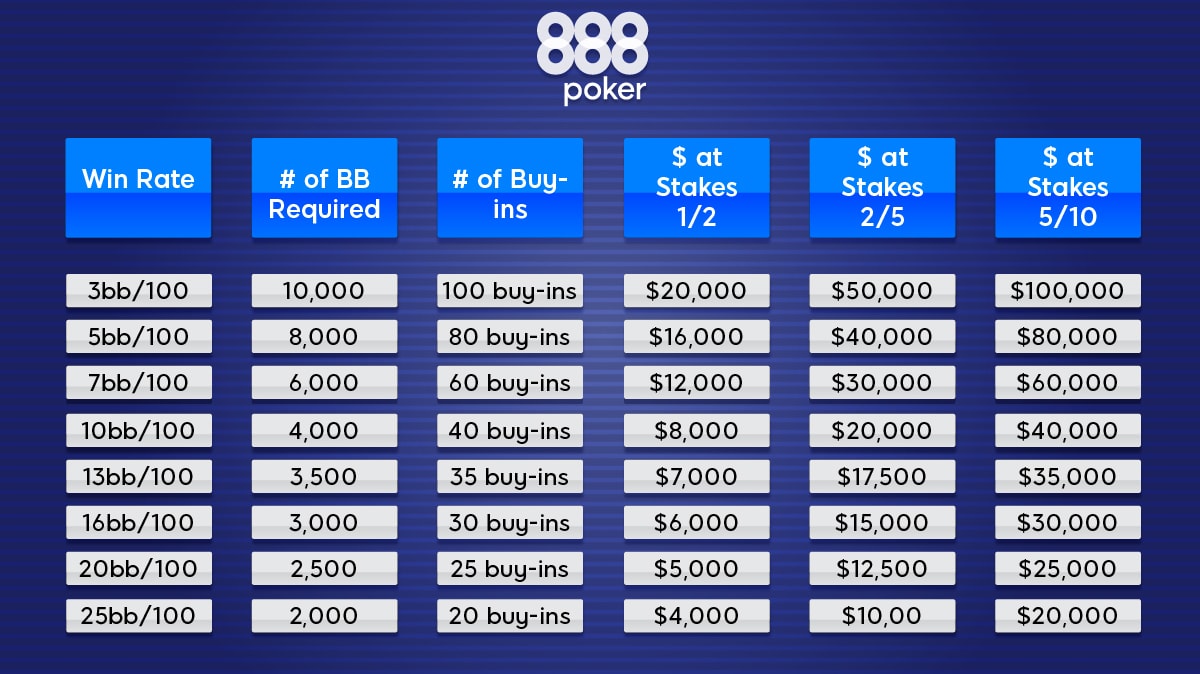
Equally important is the role of bankroll management in fostering control. Setting clear limits on the amount of money one is willing to risk is a cornerstone of any strategic approach. This not only prevents overspending but also encourages players to think about the long-term trajectory of their play rather than short-term wins or losses. By dividing the bankroll into manageable sessions and defining loss thresholds, players can make rational decisions that align with their personal financial comfort. The discipline of adhering to these parameters strengthens self-control, as it requires resisting the temptation to chase losses or escalate stakes impulsively.
Emotional regulation is another critical dimension of balanced casino strategy. The high-energy environment of casinos, often accompanied by lights, sounds, and social stimulation, can amplify emotional responses. Effective players recognize that excitement, frustration, and overconfidence can cloud judgment. Strategic exploration involves cultivating awareness of these emotional triggers and developing techniques to maintain composure. Mindfulness, brief pauses between betting decisions, and reflecting on outcomes without judgment are practices that enhance equilibrium. A player who can remain emotionally centered is better equipped to execute calculated strategies and maintain consistent performance.
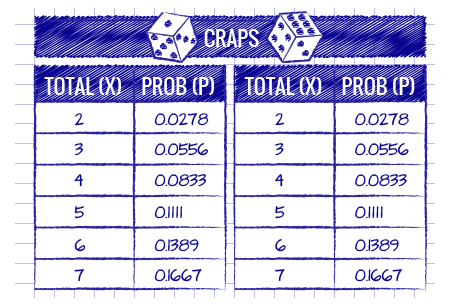
In addition to personal discipline, observing patterns and trends within games can inform strategic decisions. While randomness dominates outcomes, understanding probability and statistical tendencies offers valuable insights. For example, in poker, reading opponents’ behavior and adjusting play styles based on observable tendencies can significantly influence results. Similarly, in games of chance like craps, recognizing hot and cold streaks and adjusting bet sizes accordingly—without succumbing to superstitious thinking—demonstrates the practical application of strategic analysis. These practices blend probability literacy with real-time decision-making, fostering a sense of control even within inherently uncertain contexts.
Diversification of gaming activities is another technique that contributes to balance. Engaging with multiple games or varying bet types within a session prevents monotony and reduces the risk of overinvestment in a single outcome. This approach mirrors investment principles, where spreading exposure mitigates risk. A player who alternates between strategy-intensive games and games of pure chance can maintain engagement while protecting against the emotional and financial consequences of prolonged losses. Strategic diversification enhances overall control by promoting a holistic perspective on the gaming experience rather than focusing narrowly on individual outcomes.
Technology and data analysis have also become integral to modern casino strategy. Many platforms provide players with tools to track wins, losses, and betting patterns. Utilizing these insights allows players to review historical performance, identify trends, and refine strategies over time. This reflective practice turns gaming into a learning experience, where informed adjustments replace reactionary behavior. By leveraging data, players gain a level of self-awareness that strengthens control and supports balanced decision-making.
Another dimension of strategic exploration is the social aspect of casinos. Observing experienced players, participating in discussions, and sharing insights can broaden understanding and provide new perspectives. Collaborative learning encourages the adoption of best practices and the avoidance of common pitfalls. Additionally, social engagement within responsible bounds adds a layer of enjoyment without compromising strategic intent, reinforcing the psychological stability needed for measured play.
Importantly, responsible gaming policies and tools offered by casinos play a supportive role in balance control. Time limits, deposit restrictions, and reality checks are mechanisms that help players maintain perspective and prevent excessive involvement. Integrating these tools into a personal strategy amplifies control and demonstrates the interplay between institutional support and individual discipline. A strategy that incorporates both self-imposed rules and external safeguards is more robust, ensuring that enjoyment does not come at the expense of well-being.
Ultimately, exploring casino strategy is not solely about winning more frequently but about enhancing one’s ability to make deliberate, informed choices. By combining knowledge of game mechanics, disciplined bankroll management, emotional regulation, probability awareness, diversified engagement, data-informed reflection, social learning, and responsible gaming tools, players cultivate a sustainable framework for play. This framework transforms the casino experience from one driven by chance and impulse into a practice characterized by balance, awareness, and self-directed control.
Balanced casino strategy promotes a mindset where players engage thoughtfully, enjoy responsibly, and maintain a healthy relationship with gambling. Each decision, bet, and session becomes an opportunity to practice control and reinforce habits that contribute to long-term stability. Through ongoing exploration and refinement of strategies, individuals can navigate the casino environment with confidence, ensuring that entertainment is both rewarding and sustainable. The ultimate benefit of strategic exploration lies not in isolated wins or losses, but in the enduring capacity to engage with the game thoughtfully, maintaining equilibrium amidst uncertainty, and achieving a harmonious balance between risk and control.



Leave a Reply