
In the modern gaming landscape, the concept of fairness is central to the credibility and longevity of any casino platform. Players are not just looking for entertainment; they are seeking assurance that the games they participate in are conducted with transparency, honesty, and integrity. A fair gaming environment fosters trust, encouraging both new and seasoned players to engage more deeply and confidently. This principle underpins the operational philosophy of reputable casino platforms, and it manifests in multiple aspects, from technological design to regulatory compliance.
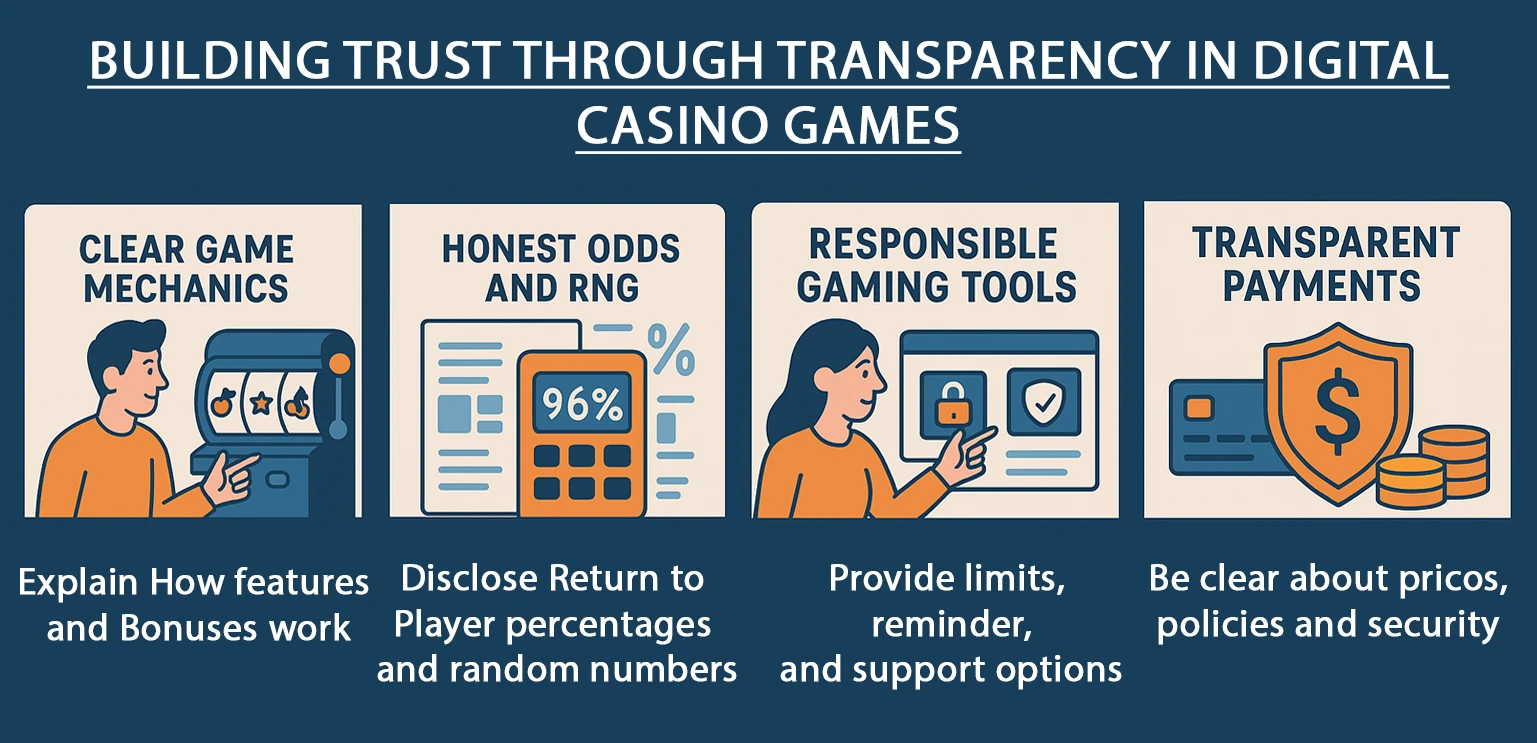
A fundamental element in supporting fair outcomes is the implementation of robust random number generators (RNGs). These algorithms are designed to ensure that every game outcome is unpredictable and independent of previous results. By using RNGs, a casino platform can maintain the integrity of slot machines, table games, and online draws, guaranteeing that no player has an unfair advantage and that the house edge remains consistent with industry standards. Regular auditing by independent agencies adds another layer of transparency, confirming that RNGs function correctly and adhere to predefined fairness criteria. This process reassures players that the outcomes they experience are genuinely random, reinforcing the platform’s reputation for impartiality.
Beyond technology, regulatory oversight plays a pivotal role in sustaining fair outcomes. Licensed casino platforms operate under strict rules set by gaming authorities, which often require rigorous testing and compliance reporting. These regulations mandate that casinos maintain fairness not only in game mechanics but also in financial transactions and promotional offerings. Compliance ensures that players are treated equitably, and disputes are handled according to transparent guidelines. Platforms that adhere to such regulations send a clear message to their user base: fairness is not optional but a core principle of operation. This regulatory framework creates a structured environment in which both players and operators can interact confidently, knowing that standards are monitored and enforced.
Transparency in game rules and payout structures further strengthens the perception of fairness. When players understand the mechanics of a game, the probabilities of winning, and the expected returns, they are better equipped to make informed decisions. Platforms that provide clear information about paytables, odds, and bonus conditions reduce confusion and potential misunderstandings. This openness encourages responsible play, as participants can adjust their strategies and budgets with realistic expectations. Transparency does not merely protect the player; it benefits the platform by reducing complaints, fostering loyalty, and promoting a positive reputation in a highly competitive industry.
Player support and dispute resolution mechanisms are also essential in reinforcing fair outcomes. A platform that provides accessible, responsive, and knowledgeable customer service helps ensure that players feel supported in all aspects of their experience. From verifying account balances to resolving disagreements over game results, effective support systems act as a safety net, upholding fairness even in situations where errors or misunderstandings may arise. Prompt and fair handling of complaints signals to the community that the platform values integrity and respects its players, which in turn strengthens trust and encourages long-term engagement.
Ethical practices in promotions and loyalty programs contribute to fairness by aligning incentives with transparent, achievable goals. Players should feel confident that bonuses, free spins, and reward schemes are distributed according to clear, unbiased criteria. Platforms that structure promotions with explicit terms and equitable conditions prevent exploitation and ensure that every participant has a fair chance to benefit. By avoiding misleading marketing tactics and ensuring consistent application of rewards, a casino platform demonstrates its commitment to equitable treatment, reinforcing the trustworthiness of its overall environment.
Security measures play a complementary role in maintaining fair outcomes. Advanced encryption protocols, secure payment gateways, and data protection policies safeguard sensitive information, preventing manipulation or fraudulent activity. Players can engage in gaming activities with confidence that their personal and financial information is protected, and that the games themselves are not susceptible to external tampering. The combination of cybersecurity and fairness is essential; even the most random game outcomes lose credibility if the underlying infrastructure is vulnerable to breaches or exploitation.
Education and responsible gaming initiatives further enhance fairness by empowering players to make informed choices. Platforms that provide resources on bankroll management, game strategy, and the statistical nature of outcomes promote a culture of knowledge and awareness. Understanding that every game carries inherent risk and that losses are part of normal play helps players approach gaming with realistic expectations. This proactive approach to player education ensures that fairness extends beyond the mechanics of the games themselves to the broader experience, supporting informed decision-making and sustainable engagement.
Ultimately, the support of fair outcomes is a multifaceted commitment that touches on technology, regulation, transparency, ethics, security, and education. By maintaining integrity in these areas, a casino platform not only meets industry standards but also cultivates a loyal and satisfied player base. Trust is the currency of online gaming, and fairness is its foundation. Platforms that prioritize fair play, openly demonstrate their commitment, and provide mechanisms to verify and protect fairness position themselves for enduring success. Players recognize and reward transparency, equitable treatment, and reliability, making fairness a key differentiator in a crowded market. In this context, the support of fair outcomes is not merely a regulatory requirement but a strategic advantage, essential for both player satisfaction and the long-term sustainability of the platform.
A fair and transparent gaming environment transforms interactions into a partnership between the platform and its players. Both parties benefit: players enjoy a trustworthy and engaging experience, while platforms earn loyalty, positive reputation, and sustainable operational growth. The meticulous implementation of fair practices, coupled with ongoing oversight, ensures that every spin, bet, and draw is conducted on equal terms. By embedding fairness into every aspect of the platform—from game mechanics to customer support—casinos affirm their dedication to ethical standards and long-term viability. The result is a robust ecosystem where fair outcomes are not just a promise but a demonstrable reality, shaping the future of responsible and trusted online gaming.



Leave a Reply