
A well-structured gambling system plays a critical role in enhancing user comfort by creating an environment that feels predictable, fair, and supportive of positive gaming experiences. At its core, comfort in gambling is about reducing stress and uncertainty while maximizing the sense of control and satisfaction players experience. When users engage with a system that is thoughtfully designed, their interactions become more intuitive, and their emotional responses are better regulated, leading to longer, more enjoyable sessions and improved overall user satisfaction.
One of the primary ways a gambling system enhances comfort is through clarity of information. Users need to understand the rules, odds, payout structures, and features of the games they play. When these elements are presented transparently, players can make informed decisions without anxiety or confusion. A system that provides clear tutorials, accessible help sections, and visual cues for game mechanics reduces cognitive load, allowing players to focus on the entertainment aspect rather than worrying about hidden complexities. Comfort grows when the system communicates openly, reinforcing a sense of fairness and predictability.
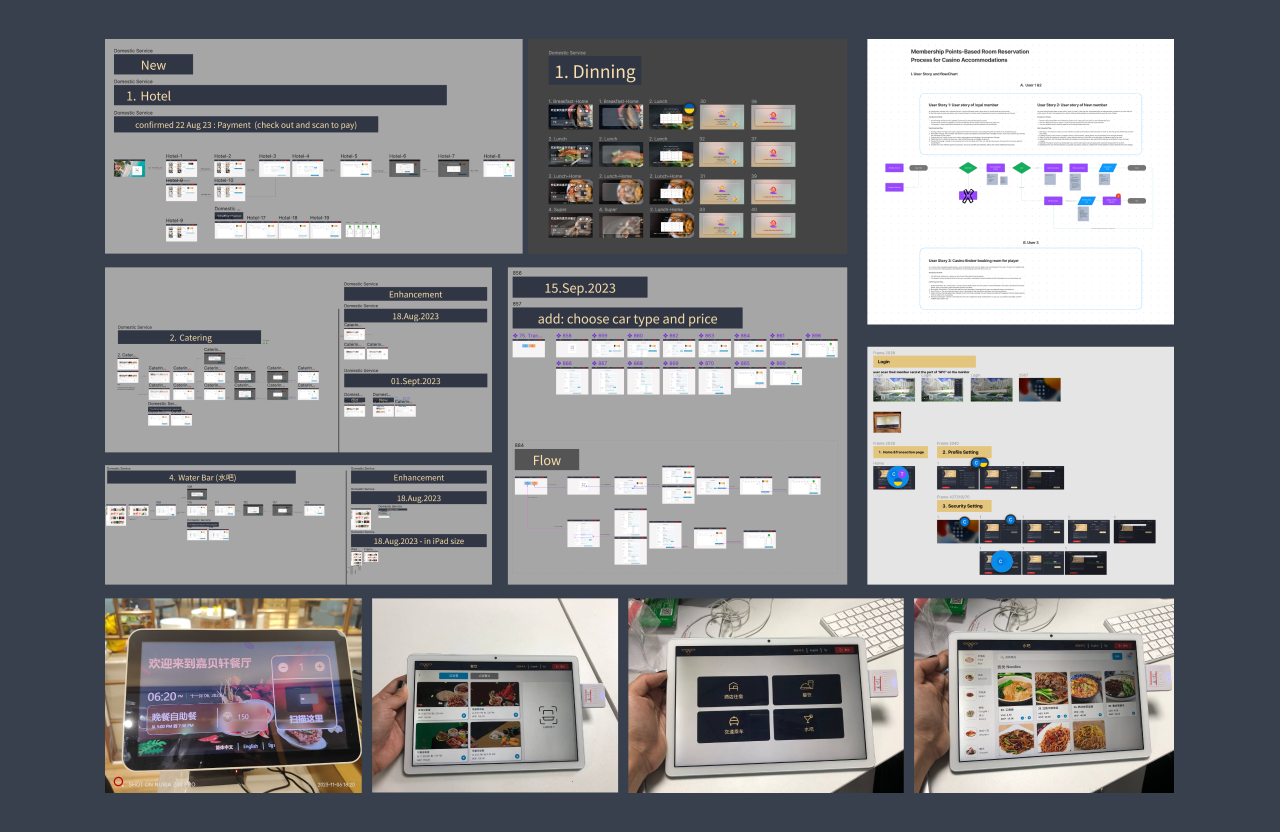
Another critical component is interface design. A gambling system with a well-organized, aesthetically pleasing interface reduces strain and encourages engagement. Smooth navigation, logical categorization of games, and intuitive control layouts ensure that users do not feel lost or overwhelmed. Buttons and menus that respond predictably, combined with clear visual feedback for actions such as bets placed or wins achieved, contribute to a seamless user experience. Subtle animations or sound cues can enhance feedback without becoming intrusive, creating a comforting rhythm that reassures players that the system is functioning correctly.
Consistency in gameplay mechanics also contributes to user comfort. When odds, payout rates, and game rules follow a consistent structure, players can develop strategies and set expectations with confidence. Unpredictable or inconsistent systems can provoke stress and frustration, diminishing enjoyment. By maintaining predictable patterns within games, gambling systems allow users to feel a sense of control, which is psychologically linked to comfort and satisfaction. This does not mean eliminating randomness entirely, as unpredictability is a core element of gambling excitement, but rather balancing it with transparent rules and reliable system responses.
Personalization features further enhance comfort by adapting the experience to individual preferences. Many modern gambling systems offer customizable interfaces, tailored recommendations, and adjustable settings for sound, animation speed, and betting ranges. By accommodating user preferences, the system allows players to create an environment that feels familiar and safe. Personalized features can also extend to account management tools, where users can set deposit limits, session reminders, or self-exclusion options. These features not only support responsible gambling but also reinforce comfort by giving users agency over their engagement.
Security and trustworthiness are essential aspects of a comfortable gambling experience. Users need to feel confident that their personal data and financial transactions are protected. Systems that implement strong encryption, secure payment gateways, and transparent privacy policies reduce anxiety related to financial risk or data misuse. Regular audits, certifications, and visible trust signals such as badges or seals contribute to a perception of reliability. When users trust that the system is secure, they can focus on gameplay without distraction, which directly enhances comfort.
The pacing and feedback mechanisms embedded within a gambling system also influence comfort. Systems that allow users to control game speed, set automatic play limits, or receive timely notifications about wins, losses, or bonus features provide a sense of rhythm and control. Sudden changes or aggressive prompts can disrupt flow and create discomfort, whereas well-timed feedback helps users stay engaged while avoiding overstimulation. Comfort is reinforced when the system respects the user’s pace, offering flexibility rather than forcing rapid or high-stress interactions.
Social and community features can further enrich comfort by creating a sense of connection and shared experience. Many gambling systems incorporate chat functions, leaderboards, or multiplayer elements that allow users to interact or observe others’ progress. This social dimension can reduce feelings of isolation and foster a sense of belonging, which contributes to emotional comfort. Systems that moderate these interactions and provide safe, positive spaces for engagement ensure that social elements enhance rather than detract from the overall experience.
Accessibility is another crucial factor in fostering comfort. Gambling systems that are accessible across devices and cater to different user needs—including visual, auditory, or mobility accommodations—allow a broader audience to enjoy gaming without unnecessary barriers. Responsive design, scalable text, and alternative navigation methods create an inclusive environment, reducing frustration and enhancing comfort for users with diverse needs.
Finally, responsible gaming features embedded in the system underpin long-term comfort. Tools such as deposit limits, loss alerts, session reminders, and self-exclusion options empower users to manage their behavior proactively. These systems demonstrate a commitment to user well-being, which not only safeguards players from harm but also builds trust and confidence. When users feel that the system prioritizes their welfare, their comfort is naturally reinforced, and their engagement becomes more positive and sustainable.
In summary, a gambling system enhances user comfort by integrating transparency, intuitive design, consistency, personalization, security, pacing, social connection, accessibility, and responsible gaming tools. Each of these components contributes to reducing stress, fostering trust, and providing a sense of control. The cumulative effect is an environment where users feel supported, understood, and able to enjoy their gaming experience safely. Comfort is not merely a superficial feature; it is a foundational element that influences user behavior, satisfaction, and long-term engagement. By prioritizing comfort, gambling systems not only improve user experience but also promote sustainable and responsible play, creating a win-win scenario for both players and operators alike.



Leave a Reply